
What This Page Covers
- Common causes of wrong-way crashes in Maryland, including impaired driving, fatigue, distraction, reckless driving, navigation errors, and poor visibility of road signs.
- How wrong-way driving often leads to head-on collisions, especially on divided highways, one-way roads, exit ramps, and other controlled-access roadways.
- Serious injuries that may result from these crashes, including broken bones, traumatic brain injuries, spinal cord damage, internal injuries, burns, amputations, facial injuries, and psychological trauma.
- Types of compensation that may be available after a wrong-way accident, such as medical expenses, lost wages, pain and suffering, property damage, disability, and loss of enjoyment of life.
- How evidence such as police reports, witness statements, and traffic-camera footage can help establish how the crash happened and who was responsible.
Why This Matters
- Wrong-way crashes can be especially dangerous because vehicles may collide head-on at high speeds, increasing the risk of catastrophic or fatal injuries.
- Severe injuries can create long-term medical needs, time away from work, reduced mobility, emotional trauma, and major financial pressure for victims and their families.
- Maryland’s contributory negligence rule makes fault a critical issue because an injured person may be barred from recovery if they are found to have contributed to the collision.
- Insurance companies may dispute liability, the severity of injuries, or the value of a claim, making strong documentation and a clear investigation important.
- Families who lose a loved one in a wrong-way collision may also have claims involving funeral and burial expenses and other wrongful-death damages.
Key Actions You Can Take
- Get medical care as soon as possible and continue with recommended treatment for both obvious and delayed symptoms.
- Preserve evidence from the crash, including photographs, police reports, witness information, medical records, vehicle damage records, and any available traffic-camera footage.
- Avoid giving detailed statements or accepting a settlement before you understand the full extent of your injuries, losses, and available insurance coverage.
- Keep records of medical bills, missed work, out-of-pocket costs, pain, physical limitations, and other ways the crash affects your daily life.
- Have an experienced Maryland car accident lawyer review the facts, available evidence, insurance issues, and potential compensation. Zirkin & Schmerling offers a free consultation.
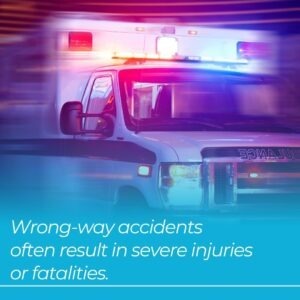
The National Transportation Safety Board reports that wrong-way car accidents are among the most dangerous and often result in severe injuries or fatalities due to the head-on nature of the collisions.
Wrong-way driving is a serious hazard that often occurs when drivers make a wrong turn or fail to follow the proper warning signs. Many happen on divided highways where drivers mistakenly enter an off-ramp or drive in the incorrect lane.
Crashes with two vehicles (or more) are common after one of the wrong-way drivers mistakenly drives the wrong direction onto a one-way road.
Hiring a lawyer fromZirkin & Schmerling Injury Lawyers experienced in wrong-way collisions helps you gather crucial evidence, such as police reports, witness testimonies, and traffic camera footage.
Let an experienced attorney handle your wrong-way collision case—contact Zirkin & Schmerling Injury Lawyers at 410-753-4611 for a free consultation.
How Do Wrong-Way Crashes Occur?
Often, wrong-way driving is due to confusion, vehicle malfunction, or poor visibility of warning signs. Drivers who fail to follow the right direction or mistakenly head in the wrong direction pose significant risks to others on the road, increasing the likelihood of wrong way collisions. These collisions also happen when a driver accidentally steers their car into oncoming traffic due to confusion or negligence. To prevent these and other types of accidents, drivers need to remain alert to the correct direction, especially when navigating unfamiliar roads or divided highways.
Impaired Driving:
Driving under the influence of alcohol or drugs and past the legal limit for BAC, is the leading cause of accidents. An intoxicated driver may become disoriented, enter the wrong side of controlled-access highways, or swerve into the opposite lane.
Fatigue
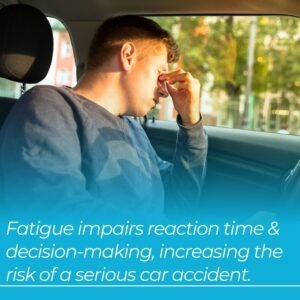
Drowsy drivers are prone to making mistakes, such as entering an exit ramp, missing signs that signal no U-turn, or driving in the wrong direction on highways. Fatigue impairs reaction time and decision-making, increasing the risk of a serious car accident, especially for a vehicle traveling at a high speed.
Distracted Driving
Drivers distracted by their phones, passengers, or other activities may miss road signs or lane markings, leading them to drive in the wrong direction.
Senior Drivers
Older adults may experience cognitive or physical impairments that affect their ability to navigate roads correctly. Elderly drivers are at an increased risk of driver error, such as turning the wrong way on a one-way street and causing wrong-way accidents.
Reckless Driving
Driving at high speeds, swerving into traffic going the opposite direction, ignoring traffic signals, or attempting unsafe maneuvers can cause head-on collisions.
Each of these causes increases the likelihood of catastrophic wrong-way crashes, making it essential for drivers to drive attentively, especially on highways. Paying attention during early morning hours and nighttime helps you avoid wrong-way drivers.
Common Wrong Direction Crashes Injuries
Due to the head-on impact typical of wrong-way collisions, the injuries sustained are often severe or life-threatening.
Common injuries from wrong-way highway accidents include:
Fractured Bones: Broken bones in the arms, legs, ribs, and other parts of the body are common in wrong-way driving incidents.
Traumatic Brain Injuries (TBI): Head trauma is a serious consequence of wrong-way driving accidents. Victims may suffer from concussions, skull fractures, or more severe traumatic brain injuries.
Spinal Cord Injuries: The impact of a head-on collision can severely damage the spinal cord, potentially leading to paralysis, chronic pain, or reduced mobility.
Internal Bleeding and Damage to Internal Organs: The force of wrong way crashes can cause internal injuries, including damage to organs such as the liver, spleen, and lungs.
Severe Lacerations and Cuts: Broken glass, metal debris, and sharp objects in the vehicle can cause deep cuts and lacerations. These wounds may lead to scarring, disfigurement, or infection if not properly treated.
Whiplash and Neck Injuries: The sudden jerking motion of the head during a wrong way driving collision can cause whiplash, which can lead to neck pain, stiffness, and headaches. In more severe cases, the neck’s muscles, ligaments, and vertebrae can be seriously injured.
Burn Injuries: In some cases, wrong-way accidents result in vehicle fires, causing burn injuries that may range from minor to life-threatening.

Amputations: The violent impact of a wrong-way collision can crush or severely damage limbs, resulting in the need for surgical amputation.
Facial Injuries: Injuries to the face can result from airbag deployment, steering wheel impact, or broken glass. These injuries may include broken facial bones, dental damage, and severe cuts, leading to permanent scarring and potential reconstructive surgery.
Psychological Trauma: Beyond physical injuries, victims of wrong-way accidents frequently suffer from emotional and psychological trauma, such as post-traumatic stress disorder (PTSD), anxiety, and depression.
Get Compensation for Wrong-Way Accidents
A wrong-way accidents lawyer will pursue claims that cover:
- Medical Expenses: For hospital bills, surgeries, rehabilitation, and any ongoing treatment needed for recovery
- Lost Wages: Compensating for time away from work due to a wrong-way accident
- Pain and Suffering: Addressing the physical and emotional trauma caused by the crash
- Property Damage: Covering repairs or replacement costs for your vehicle
- Disability or Disfigurement: In cases of permanent injury, such as paralysis or severe scarring
- Loss of Enjoyment of Life: Compensation for the diminished quality of life caused by long-term injuries
- Funeral and Burial Expenses: For families filing wrongful death claims after losing a loved one in the crash
Maryland’s contributory negligence laws require proof that the wrong-way driver was entirely responsible for the accident, which is why legal representation after a wrong way car accident is crucial.
Zirkin & Schmerling Injury Lawyers: Lawyers for Wrong-Way Car Accidents

At Zirkin & Schmerling Injury Lawyers, our experienced personal injury attorneys have successfully represented clients involved in wrong-way car accidents throughout Maryland. We can help if you have been injured in an accident due to highway driver negligence.
Our team will handle every aspect of your case, from gathering evidence that the driver was traveling in the wrong direction to negotiating with insurance companies. If you or a loved one has been injured in a wrong-way car accident, we are here to help.Call Zirkin & Schmerling Injury Lawyers at 410-753-4611 for a free consultation and take the first step toward justice after a wrong-way driving car accident.
Wrong Way Car Accidents FAQs
How long do I have to file a wrong-way accident lawsuit in Maryland?
In most Maryland car accident cases, the statute of limitations is three years from the date of the crash. Different deadlines can apply to claims involving government entities, uninsured drivers, or your own insurance coverage, so it is important to identify the correct deadline early.
Can a passenger injured in a wrong-way crash seek compensation?
Yes. An injured passenger may be able to pursue compensation from the driver who caused the crash, including a driver in the vehicle the passenger was riding in. Liability depends on the facts and the available insurance coverage.
What happens if the wrong-way driver does not have enough insurance?
Uninsured or underinsured motorist coverage may provide another source of compensation when the at-fault driver has no insurance or not enough coverage to pay the full value of the claim. The specific policy terms and deadlines should be reviewed carefully.
Can PIP coverage help after a wrong-way accident in Maryland?
Yes, if Personal Injury Protection coverage is available under the policy. PIP can help pay certain medical expenses and lost wages regardless of who caused the crash, subject to the policy limits and any applicable waiver or coverage terms.
Who may be responsible in a multi-vehicle wrong-way collision?
More than one party may need to be investigated. The wrong-way driver may be primarily responsible, but other drivers, employers, vehicle owners, or government entities may also be involved depending on how the crash happened.
Can a government agency be responsible for a dangerous road or traffic-control problem?
Potentially. Maryland state or local government entities may face liability when poorly maintained roads, traffic devices, or other roadway conditions contribute to a crash. Claims against government entities have special notice requirements and deadlines.
Can I recover rental-car costs while my vehicle is being repaired or replaced?
Rental-car expenses may be included as part of a property-damage claim when they are reasonable and related to the time needed to repair or replace the damaged vehicle.
What if my symptoms appear days after the wrong-way crash?
Delayed symptoms can still be important to an injury claim. Get appropriate medical care, explain when the symptoms began, follow the treatment plan, and keep records showing how the injuries affect your daily activities and work.
Should I give the other driver’s insurance company a recorded statement?
You are not required to give the other driver’s insurer a recorded statement just because an adjuster requests one. Avoid discussing fault or minimizing your injuries before you understand your rights and the full extent of your losses.
How can electronic evidence help prove a wrong-way driving case?
Dashcam footage, traffic-camera video, phone records, vehicle data, and other electronic evidence may help show where the vehicles were traveling, how the wrong-way entry occurred, and what happened before impact. Preserving this evidence quickly can be important because some records may not be kept indefinitely.